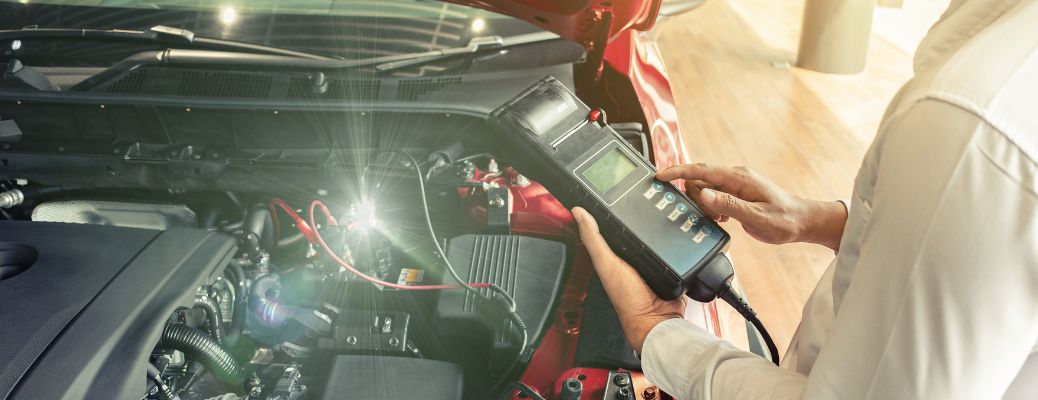
Understanding How Weather Impacts Porsche Electric Vehicle Performance
Weather can affect how an electric vehicle performs, particularly in very hot or very cold temperatures. Battery temperature, charging speed, driving range, and traction can all respond to changing conditions. Understanding how weather impacts Porsche electric vehicle performance can help EV owners plan their drives and pay closer attention to seasonal maintenance needs. Cold weather may temporarily reduce available range, while extreme heat can place additional demands on the battery and cooling systems. For more information about vehicle service, visit Porsche Delaware in Newark, DE.
How Weather Conditions Affect Porsche Electric Vehicle Performance
Cold temperatures can have a noticeable effect on an EV battery. When temperatures drop, the battery’s chemical processes become less efficient, which can temporarily reduce available driving range. Cabin heating can also use additional energy, particularly during shorter trips. Consequently, drivers may notice that their Porsche EV does not achieve its usual range during especially cold weather.
Cold conditions can also influence charging performance. A battery that is too cold may need to reach an appropriate temperature before it can accept energy at its fastest rate. Using scheduled charging or available battery preconditioning before a drive can help prepare the battery for charging and driving in colder conditions.
On the other hand, hot weather can also affect an electric vehicle. High temperatures place additional demands on the battery’s thermal-management system. When the vehicle is exposed to extreme heat, cooling systems may work harder to keep battery temperatures within their preferred operating range. Parking in a shaded or covered location when possible can help limit heat exposure.
{Also Read: What Do Squeaking and Creaking Sounds from Your Suspension Mean?}
In addition, weather can affect traction and handling. Rain creates wet road surfaces that can reduce tire grip, while snow and ice can make acceleration, braking, and cornering more challenging. Porsche electric vehicles deliver instant torque, so smooth throttle inputs are especially helpful on slippery roads. Properly maintained tires with adequate tread are also important for maintaining traction.
Heavy rain, snow, and freezing temperatures may further affect everyday EV operation. For example, windshield defrosting, climate control, headlights, and other electrical features can draw energy from the battery. Therefore, drivers may see some variation in range depending on how frequently these systems are used.
{Also Read: How Can Hybrid Battery Cooling System Maintenance Help Your Vehicle?}
Understanding how the weather impacts Porsche’s electric vehicle performance also means paying attention to routine maintenance. Battery systems, tires, brakes, charging equipment, and climate-control components all play important roles in an EV’s operation. If you notice unusual changes in range, charging behavior, or vehicle performance, a professional inspection can help identify potential concerns.
{Also Read: 5 Warning Signs Your Brakes Are Failing: Don’t Ignore These Red Flags}
Schedule Porsche EV Service in Newark, DE
Weather is only one factor that can influence Porsche electric vehicle performance, but understanding its effects can help you prepare for changing driving conditions. If your EV shows unusual changes in charging, range, or performance, schedule a service appointment at Porsche Delaware in Newark, DE. Our experienced service team can inspect key vehicle systems, address maintenance needs, and answer questions about caring for your Porsche EV year-round. Contact us today to keep your vehicle ready for every season.